
Why Preventive Dust Collector Maintenance Pays Off
Industrial Air Treatment Innovations
July 9, 2026How Custom Air Filtration Boosts Industrial Productivity
September 11, 2026Industrial Air Treatment Innovations
Industrial dust collection systems are essential to the safe and efficient operation of many manufacturing and processing facilities. Whether handling wood dust, metal particles, powders, plastics, chemicals, or other airborne contaminants, a properly maintained dust collection system helps protect equipment, improve air quality, and support uninterrupted production. Unfortunately, maintenance is often delayed until a problem becomes impossible to ignore, resulting in unexpected downtime, costly repairs, and reduced system performance.
Preventive maintenance offers a proactive alternative. Instead of reacting to equipment failures, facility managers can identify small issues before they become major operational problems. Air Process Systems LLC specializes in dust collector maintenance, inspections, repairs, upgrades, and field service for industrial dust collection systems. Their experienced field technicians perform complete system evaluations, filter replacements, leak detection, valve rebuilding, minor repairs, and ongoing maintenance to help facilities maximize reliability and performance.
Why Routine Dust Collector Maintenance Matters
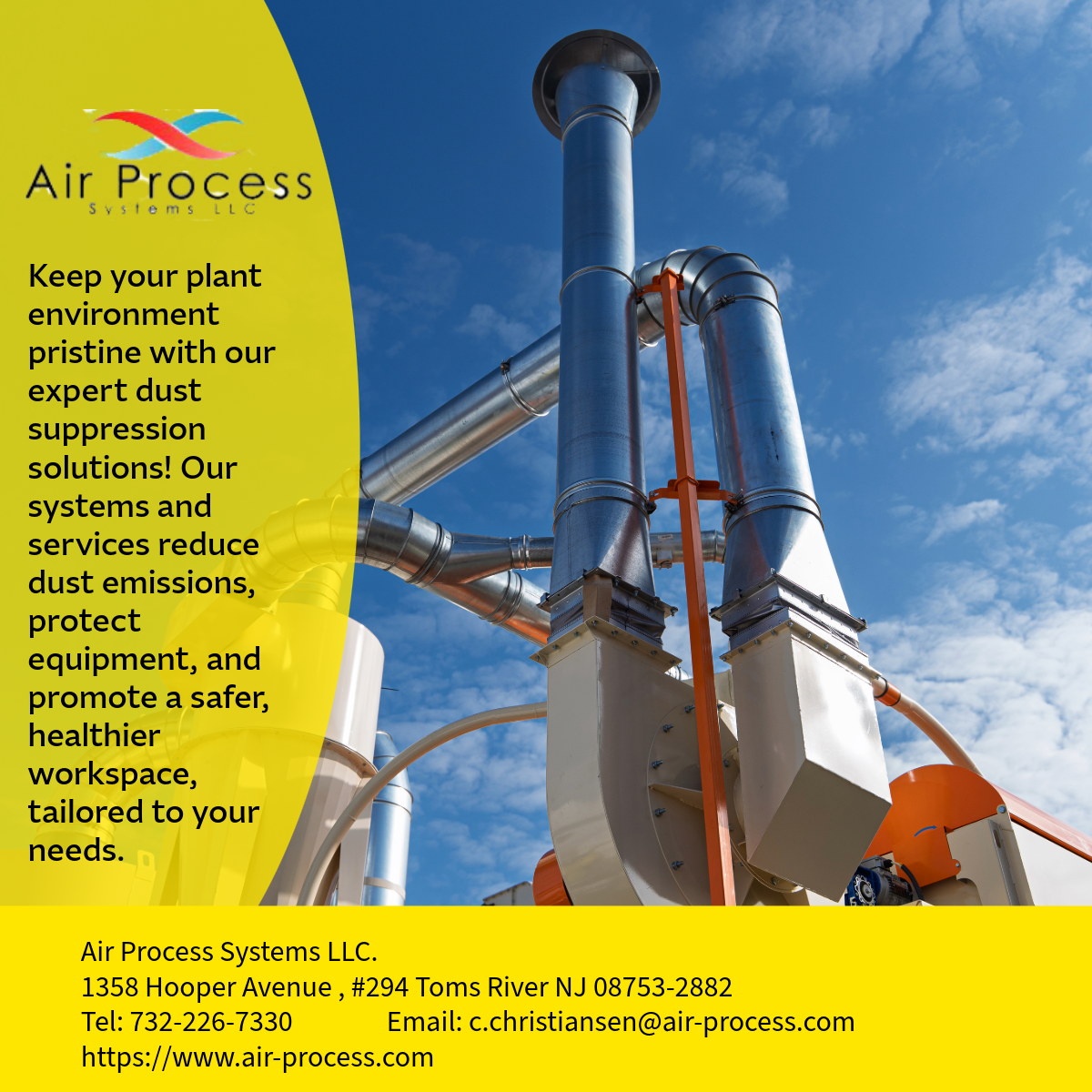 Dust collectors operate in demanding industrial environments where filters, valves, ductwork, and mechanical components are continuously exposed to airborne particulate. Even systems that appear to be operating normally can gradually lose efficiency as filters become loaded, seals wear, compressed air components deteriorate, or leaks develop throughout the system.
Without regular inspections, these gradual changes often go unnoticed until production is affected. Reduced airflow, excessive pressure drop, increased energy consumption, poor dust capture, and unexpected shutdowns can all result from neglected maintenance. A scheduled maintenance program allows facilities to monitor system performance consistently while reducing the likelihood of emergency repairs.
Small Problems Can Become Expensive Repairs
Many dust collector failures begin as relatively minor maintenance issues. A worn diaphragm valve, damaged filter bag, leaking gasket, or loose connection may seem insignificant initially, but these components directly affect system performance. Left unresolved, small deficiencies can place additional stress on other equipment and eventually require more extensive repairs.
Routine inspections help identify worn components before they contribute to larger operational issues. Replacing a valve or repairing a small air leak is generally far less disruptive and less expensive than repairing a major equipment failure that forces an unexpected production shutdown.
Maintaining Consistent Airflow
Proper airflow is one of the most important factors affecting dust collector performance. If airflow decreases, dust may no longer be effectively captured at the source, allowing airborne contaminants to accumulate throughout the facility. Reduced airflow can also increase filter loading and reduce the efficiency of the entire collection system.
During preventive maintenance, technicians evaluate airflow, operating pressures, cleaning cycles, and overall system performance. These inspections help ensure the collector continues operating within its intended design parameters while supporting safe and efficient production.
How Preventive Maintenance Supports Productivity
Every hour of unexpected downtime affects productivity, scheduling, and operating costs. Manufacturing facilities often operate under tight production deadlines, making equipment reliability an important part of overall operational success. Preventive maintenance helps reduce interruptions by identifying developing issues before they create emergency situations.
Maintenance programs also provide valuable performance history. By documenting inspection results over time, facilities can identify recurring issues, monitor equipment wear, and schedule repairs during planned maintenance periods rather than during production hours.
Regular Filter Inspections Improve Performance
Filters are among the hardest-working components in any dust collection system. As dust accumulates, filter efficiency changes, and excessive loading may increase system resistance. Depending on the application, filters may also become damaged through abrasion, moisture exposure, or normal wear.
Routine filter inspections help determine when replacement is necessary while ensuring filters continue capturing airborne particles effectively. Proper filter maintenance also helps maintain stable airflow and supports consistent dust collection performance throughout the facility.
Maintenance Helps Reduce Unexpected Downtime
Production interruptions often cost significantly more than the repairs themselves. In addition to repair expenses, facilities may experience lost production, delayed shipments, overtime labour, and scheduling disruptions. Preventive maintenance minimizes these risks by addressing potential failures before they interrupt operations.
Regular service visits also provide opportunities to inspect associated equipment such as compressed air systems, pulse cleaning components, ductwork, hoppers, and discharge equipment. Evaluating the complete system rather than only individual components contributes to more reliable long-term performance.
Building a Long-Term Maintenance Strategy
Effective maintenance is not simply about replacing worn parts. It involves developing a long-term strategy based on equipment condition, operating environment, production demands, and historical performance. Facilities that implement scheduled inspections often experience fewer unexpected failures while extending the service life of valuable equipment.
Every industrial operation is unique. Dust characteristics, operating hours, environmental conditions, and production processes all influence maintenance requirements. Customized service schedules allow facilities to address their specific operating conditions while maintaining optimal system reliability.
Comprehensive System Evaluations Provide Valuable Insight
A thorough maintenance inspection examines much more than filter condition alone. Experienced technicians evaluate operating pressures, pulse cleaning performance, compressed air components, ductwork integrity, leak points, structural condition, and mechanical wear throughout the system. These detailed evaluations provide facility managers with a clear understanding of current equipment performance and future maintenance priorities.
Documented inspections also establish performance benchmarks that simplify future evaluations. Tracking system condition over time allows maintenance teams to recognize trends before they become operational problems, supporting more informed maintenance planning and budgeting.
Partnering With Experienced Service Professionals
Industrial dust collection systems require specialized knowledge that extends beyond general mechanical maintenance. Experienced field technicians understand how individual components interact within the overall system and can recommend practical solutions that improve efficiency while minimizing downtime.
Professional maintenance services often include filter replacement, leak testing, valve rebuilding, welding, minor repairs, air line replacement, system inspections, and performance evaluations. By working with experienced specialists, facilities gain access to technical expertise that helps maximize equipment performance while reducing the likelihood of costly emergency repairs.
Preventive dust collector maintenance is ultimately an investment in operational reliability. Rather than waiting for equipment failures to disrupt production, scheduled inspections help identify maintenance needs early, improve system efficiency, and support safer working conditions throughout the facility. Consistent maintenance also helps extend equipment life, reduce operating costs, and improve overall productivity.
As industrial operations continue to prioritize efficiency, environmental performance, and workplace safety, maintaining dust collection systems becomes increasingly important. A proactive maintenance program provides peace of mind by helping ensure dust collectors continue operating as intended while protecting both employees and production processes. Investing in routine service today can prevent costly downtime tomorrow, making preventive maintenance one of the most valuable strategies for long-term facility performance.
Visit our website for more information: air-process.com.
