
Optimizing Industrial Airflow Efficiency for Safer, More Productive Facilities
Advanced Air Handling Solutions for Industrial Facilities
May 7, 2026Industrial Air Treatment Innovations
July 9, 2026Optimizing Industrial Airflow Efficiency for Safer, More Productive Facilities
Industrial facilities rely on consistent, well‑managed airflow to maintain safe working conditions, protect equipment, and support efficient production. As industries evolve and environmental standards become more stringent, optimizing airflow efficiency has become a top priority for manufacturers, warehouses, and processing plants. This comprehensive guide explores how improved airflow management enhances safety, reduces operational costs, and supports long‑term compliance. Visit our website for more information: air-process.com.
Why Airflow Efficiency Matters in Industrial Environments
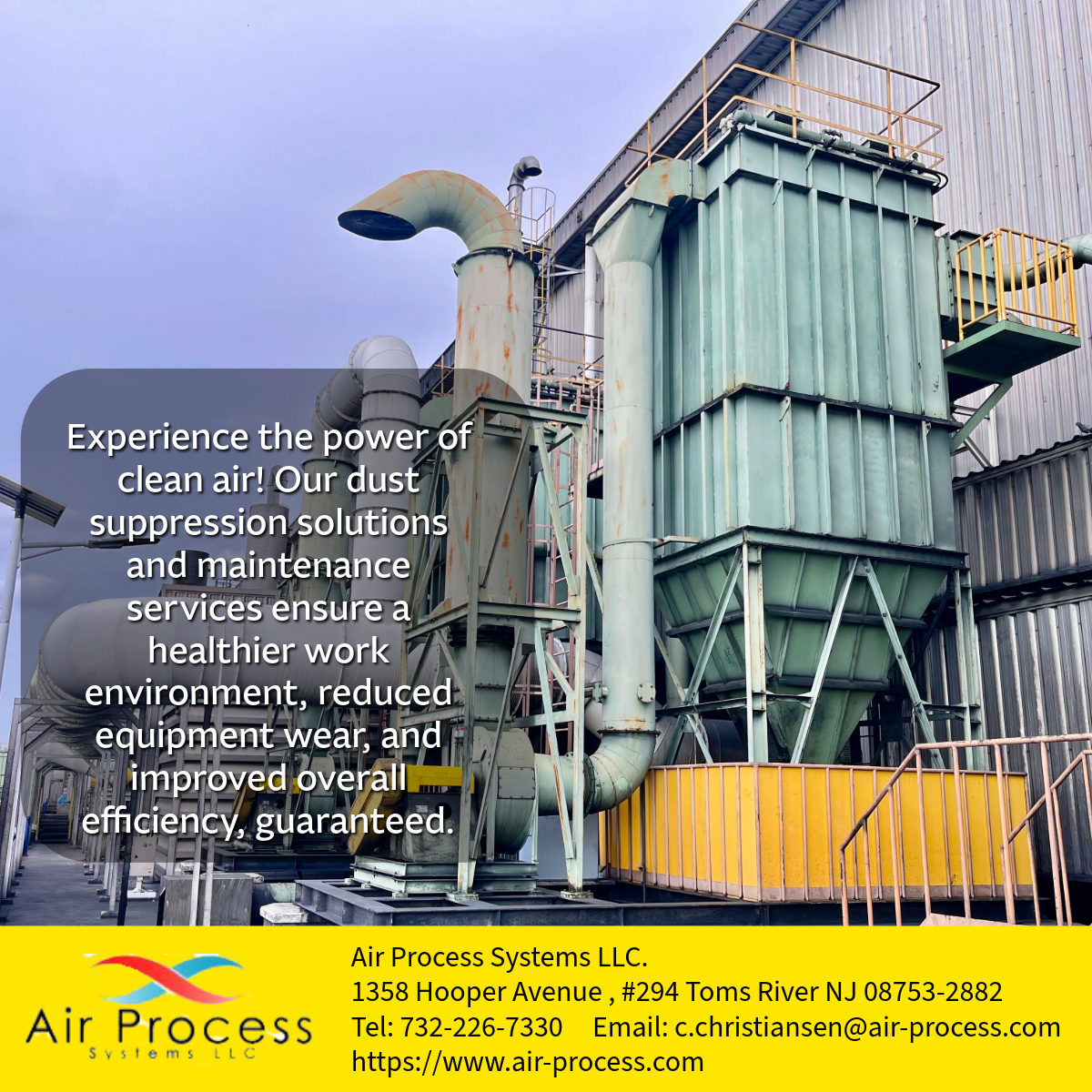 Airflow efficiency is more than just moving air from one point to another—it is a critical component of workplace safety, equipment longevity, and regulatory compliance. When airflow is optimized, contaminants are removed more effectively, temperature control becomes more consistent, and systems operate with less strain. Facilities that prioritize airflow efficiency often experience fewer breakdowns, lower energy consumption, and improved worker comfort. These benefits make airflow optimization a strategic investment for any industrial operation.
Reducing Airborne Contaminants and Improving Safety
Airborne dust, fumes, and particulates pose significant risks in industrial settings. Without proper airflow management, these contaminants can accumulate, leading to respiratory hazards, equipment damage, and increased fire risk. Efficient airflow systems help capture and remove harmful particles before they spread throughout the facility. This not only protects workers but also ensures that sensitive machinery remains free from buildup that can cause premature wear or malfunction. Maintaining clean air is essential for meeting industry safety standards and creating a healthier work environment.
Enhancing Equipment Performance and Longevity
Industrial equipment operates best in environments with stable temperatures and minimal airborne debris. Poor airflow can cause overheating, clogging, and reduced efficiency in machinery. By optimizing airflow, facilities can maintain consistent operating conditions that support peak performance. This reduces the frequency of repairs, extends equipment lifespan, and minimizes downtime. Over time, these improvements translate into significant cost savings and more reliable production schedules.
Key Strategies for Improving Airflow Efficiency
Improving airflow efficiency requires a combination of proper system design, regular maintenance, and strategic upgrades. Facilities that take a proactive approach to airflow management often see immediate improvements in performance and safety. The following strategies highlight some of the most effective ways to enhance airflow efficiency in industrial environments.
Evaluating Existing Airflow Systems
Before making improvements, it is essential to assess the current state of your facility’s airflow. This includes reviewing ductwork, ventilation systems, dust collectors, and filtration units. Identifying bottlenecks, leaks, or outdated components helps determine where upgrades or repairs are needed. A thorough evaluation also reveals whether the system is properly sized for the facility’s current production demands. Many older systems were designed for past workloads and may no longer meet today’s requirements.
Upgrading to High‑Efficiency Components
Modern airflow systems incorporate advanced technologies that significantly improve performance. High‑efficiency fans, optimized duct designs, and upgraded filtration units can dramatically increase airflow while reducing energy consumption. These components are engineered to move air more effectively, capture smaller particles, and operate with less noise and vibration. Upgrading key components not only enhances airflow but also supports long‑term reliability and compliance with evolving environmental regulations.
Implementing Smart Airflow Controls
Smart controls allow facilities to monitor and adjust airflow in real time. These systems use sensors to detect changes in air quality, pressure, and temperature, automatically adjusting airflow to maintain optimal conditions. This level of automation reduces manual oversight and ensures consistent performance throughout the facility. Smart controls also help identify issues early, such as clogged filters or failing components, allowing for timely maintenance before problems escalate.
The Role of Professional System Design and Installation
Optimizing airflow efficiency requires more than just high‑quality equipment—it demands expert system design and precise installation. Professional engineers and technicians ensure that every component works together seamlessly, delivering consistent and reliable performance. Facilities that invest in professional design and installation benefit from improved safety, reduced energy costs, and long‑term operational stability.
Custom Solutions for Unique Facility Needs
Every industrial facility has unique airflow requirements based on its layout, processes, and environmental challenges. Professional system designers evaluate these factors to create customized solutions that maximize efficiency. This may include specialized duct configurations, tailored filtration systems, or advanced dust collection technologies. Custom solutions ensure that airflow is distributed evenly and effectively throughout the facility, reducing the risk of hotspots, contamination, or equipment strain.
Ensuring Compliance with Industry Standards
Industrial facilities must adhere to strict regulations regarding air quality, worker safety, and environmental impact. Professional installation ensures that all systems meet or exceed these standards. Proper documentation, testing, and certification help facilities maintain compliance and avoid costly fines or shutdowns. With regulations evolving regularly, partnering with experts ensures your facility stays ahead of compliance requirements and maintains a safe working environment.
Optimizing industrial airflow efficiency is essential for maintaining safe, productive, and compliant operations. By investing in high‑quality components, smart controls, and professional system design, facilities can significantly improve air quality, reduce energy consumption, and extend equipment lifespan. Whether you operate a manufacturing plant, warehouse, or processing facility, prioritizing airflow efficiency delivers long‑term benefits for both workers and equipment. Visit our website for more information: air-process.com.
