
Innovative Dust Emission Cleaning Strategies for Modern Industrial Facilities
Dust Collection for Businesses in Toms River, NJ
January 19, 2026Protect Workers and Equipment from Airborne Dust – Expert Tips from Air Process Systems
March 10, 2026Innovative Dust Emission Cleaning Strategies for Modern Industrial Facilities
Industrial operations across the country are under increasing pressure to reduce airborne pollutants, protect workers, and maintain compliance with evolving environmental regulations. As industries grow more complex, so do the challenges associated with dust emissions. Today’s facilities require advanced, reliable, and efficient dust emission cleaning strategies that go beyond traditional collection methods. Companies like Air Process Systems LLC provide engineered solutions designed to help facilities reduce emissions, improve air quality, and operate more sustainably. Visit our website for more information.
Understanding the Growing Need for Advanced Dust Emission Cleaning
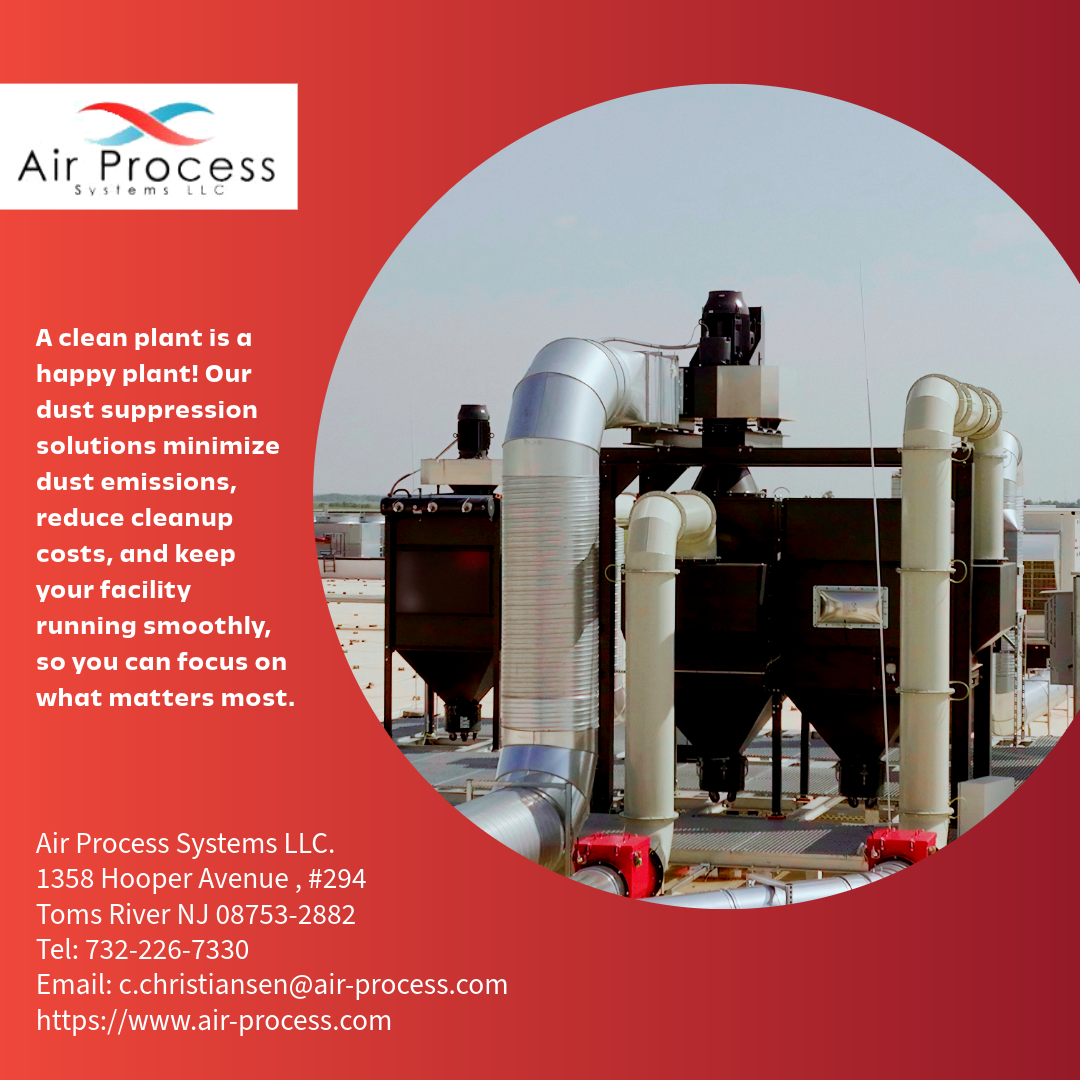 Dust emissions are more than a nuisance—they pose real risks to worker health, equipment performance, and regulatory compliance. As industrial processes become more automated and high‑volume, the amount of airborne particulate matter can increase dramatically. This makes it essential for facilities to adopt modern dust emission cleaning systems that can handle higher loads, finer particulates, and more complex airflow patterns. Advanced solutions help facilities stay ahead of regulatory requirements while creating a safer and more efficient work environment.
The Impact of Dust Emissions on Facility Operations
Dust emissions can infiltrate sensitive equipment, leading to premature wear, overheating, and costly downtime. In addition, airborne particulates can reduce visibility, create slip hazards, and contribute to respiratory issues among workers. Over time, these challenges can significantly impact productivity and increase operational costs. By implementing effective dust emission cleaning strategies, facilities can protect their workforce, extend equipment lifespan, and maintain consistent production output.
Regulatory Pressures and Environmental Responsibility
Environmental agencies continue to tighten restrictions on industrial emissions, requiring facilities to adopt more efficient and reliable dust control technologies. Non‑compliance can result in fines, shutdowns, and long‑term reputational damage. Modern dust emission cleaning systems help facilities meet or exceed regulatory standards by capturing fine particulates before they enter the atmosphere. This not only supports compliance but also demonstrates a commitment to environmental stewardship and community well‑being.
Modern Strategies for Effective Dust Emission Cleaning
Today’s industrial facilities have access to a wide range of advanced dust emission cleaning technologies. These solutions are engineered to address specific challenges such as high‑temperature processes, corrosive environments, or extremely fine particulate matter. Air Process Systems LLC offers customized systems designed to meet the unique needs of each facility, ensuring optimal performance and long‑term reliability. By integrating modern dust emission cleaning strategies, businesses can significantly reduce airborne contaminants and improve overall air quality.
High‑Efficiency Dust Collectors for Cleaner Air
High‑efficiency dust collectors remain one of the most effective tools for controlling dust emissions. These systems use advanced filtration media, optimized airflow designs, and automated cleaning mechanisms to capture even the smallest particles. Modern collectors are engineered to reduce energy consumption, minimize maintenance requirements, and maintain consistent performance under demanding conditions. Facilities that upgrade to high‑efficiency systems often see immediate improvements in air quality and operational efficiency.
Fiber Bed Mist Eliminators for Fine Particulate Control
Fiber bed mist eliminators are particularly effective for capturing submicron particles, including oil mists, chemical vapors, and fine aerosols. These systems use densely packed fibers to trap contaminants while allowing clean air to pass through. They are ideal for industries such as chemical processing, metalworking, and manufacturing, where fine particulate emissions are common. By incorporating fiber bed technology, facilities can significantly reduce emissions that traditional collectors may struggle to capture.
Custom‑Engineered Airflow Solutions
Every facility has unique airflow challenges based on its layout, processes, and equipment. Custom‑engineered solutions—such as ductwork optimization, automated gate systems, and strategically placed capture points—ensure that dust is collected efficiently at the source. These tailored systems help reduce energy waste, improve filtration performance, and maintain consistent airflow throughout the facility. Air Process Systems LLC specializes in designing and installing custom solutions that maximize dust emission control while supporting long‑term operational goals.
How Advanced Dust Emission Cleaning Supports Long‑Term Success
Investing in modern dust emission cleaning strategies is not just about compliance—it’s about building a safer, more efficient, and more sustainable operation. Facilities that prioritize air quality often experience fewer equipment failures, lower energy costs, and improved worker satisfaction. With the right systems in place, businesses can reduce downtime, extend the life of their equipment, and maintain a cleaner, healthier work environment. These benefits contribute to long‑term operational success and help facilities stay competitive in an increasingly regulated industry.
Improved Worker Health and Safety
Cleaner air directly contributes to a healthier workforce. Reduced exposure to airborne particulates lowers the risk of respiratory issues, allergies, and long‑term health complications. Workers in clean environments also tend to be more productive, more engaged, and less likely to experience fatigue or discomfort. By implementing advanced dust emission cleaning systems, facilities create safer conditions that support employee well‑being and reduce absenteeism.
Enhanced Equipment Performance and Longevity
Dust buildup can cause significant damage to industrial equipment, leading to overheating, mechanical failures, and costly repairs. Effective dust emission cleaning prevents contaminants from settling on machinery, ensuring smoother operation and reducing the need for frequent maintenance. Over time, this leads to lower operational costs and a more reliable production process. Facilities that invest in high‑quality dust control systems often see a measurable return on investment through improved equipment performance.
Energy Efficiency and Cost Savings
Modern dust emission cleaning systems are designed with energy efficiency in mind. Features such as automated gates, optimized ductwork, and high‑efficiency filtration media help reduce energy consumption while maintaining strong performance. Lower energy usage translates to reduced utility costs and a smaller environmental footprint. By upgrading to advanced systems, facilities can achieve both operational savings and sustainability goals.
Visit our website for more information: Air Process Systems LLC.
