
Energy-Saving Airflow Control in Industrial Plants
How Custom Air Filtration Boosts Industrial Productivity
September 11, 2026Energy-Saving Airflow Control in Industrial Plants
Industrial facilities continuously seek ways to improve efficiency, lower operating expenses, and create safer working environments. While equipment upgrades often receive significant attention, airflow management is frequently overlooked despite its major impact on energy consumption and overall system performance. Effective airflow control helps facilities maintain stable processes, support air quality goals, and reduce wasted energy throughout the plant.
Modern manufacturing operations rely on complex ventilation, dust collection, and air handling systems. When airflow is not properly managed, these systems may consume more energy than necessary, resulting in higher operating costs and reduced efficiency. Implementing strategic airflow control solutions can help facilities optimize performance while supporting long-term sustainability objectives.
Why Airflow Control Matters in Industrial Facilities
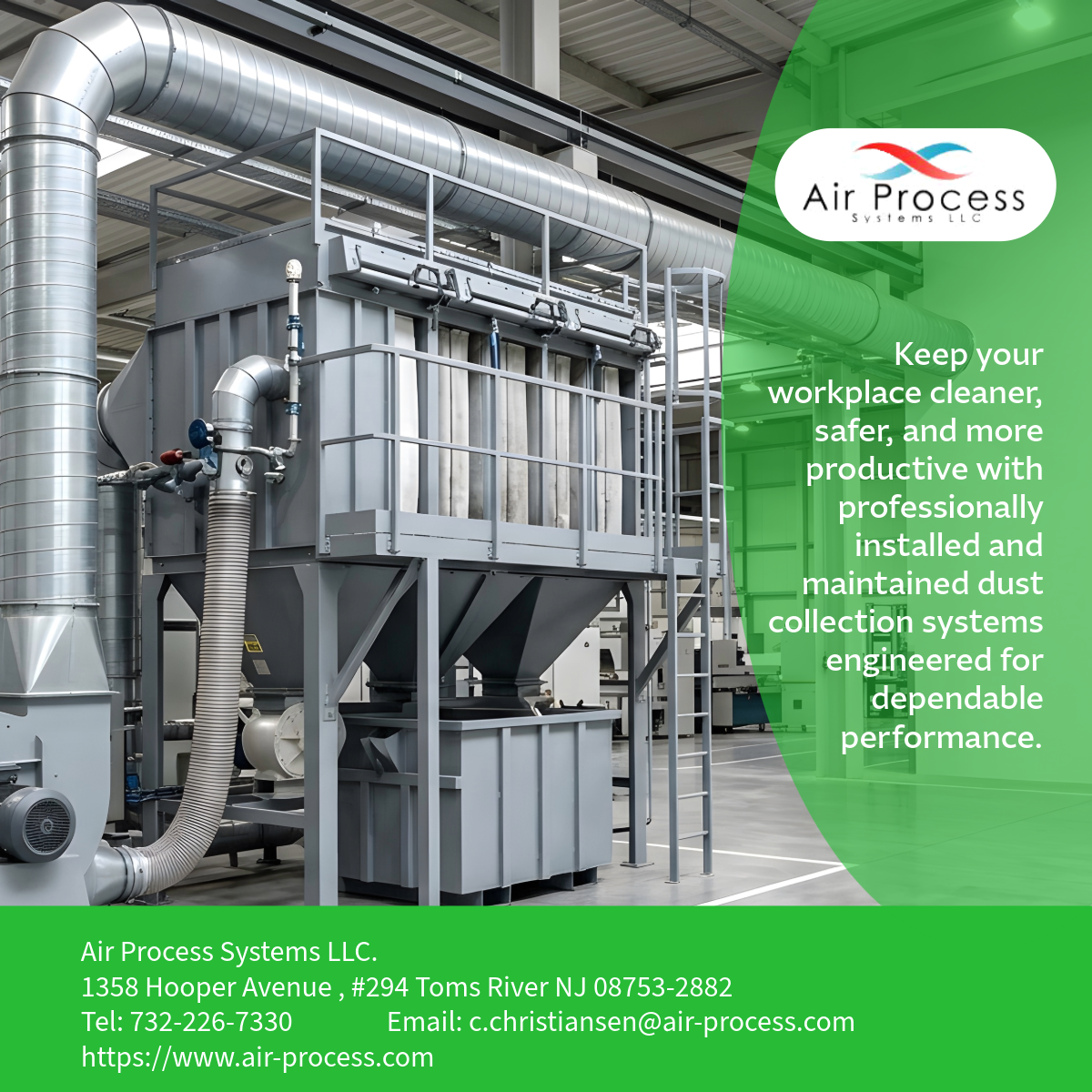 Airflow is a critical component of nearly every industrial process. Whether a facility is handling dust collection, process ventilation, material transfer, or environmental control, the performance of the entire system depends on maintaining proper airflow levels. Too much airflow can increase energy consumption unnecessarily, while insufficient airflow may negatively impact productivity, equipment protection, and worker safety.
As industrial systems age, operating requirements often change. Production lines may expand, equipment may be relocated, and process demands may evolve. Unfortunately, airflow systems are not always adjusted accordingly. As a result, fans and filtration equipment may work harder than necessary, consuming excess power and increasing operational costs.
The Hidden Cost of Excess Airflow
Many facilities assume that more airflow automatically translates into better performance. In reality, excessive airflow can create several challenges. Fans may operate at higher speeds than needed, resulting in increased electrical consumption. Filter systems can experience additional wear, shortening component life and increasing maintenance requirements.
Excess airflow can also contribute to pressure imbalances within a system. These imbalances may reduce collection efficiency, affect process consistency, and place unnecessary stress on ductwork and connected equipment. By optimizing airflow, facilities can improve both performance and reliability.
Balancing Performance and Efficiency
The goal of airflow control is not simply to reduce airflow but to deliver the correct amount of air where and when it is needed. Proper balancing allows systems to support operational requirements without wasting valuable energy resources. This approach helps facilities operate more efficiently while maintaining consistent production standards.
When airflow is carefully managed, industrial processes often become more stable, equipment experiences less strain, and operational costs become more predictable. These advantages make airflow control a valuable component of a comprehensive facility optimization strategy.
How Airflow Control Supports Energy Savings
Energy efficiency has become a significant priority across the industrial sector. Rising utility costs and increasing sustainability goals have encouraged organizations to identify opportunities for reducing energy waste. Air handling systems represent one of the largest consumers of energy within many industrial environments, making them an ideal target for optimization.
Effective airflow control can help facilities reduce unnecessary fan operation, improve system responsiveness, and lower overall power consumption. Even relatively small adjustments can produce measurable savings when applied across large ventilation or dust collection networks.
Improving Fan System Efficiency
Industrial fans play a central role in moving air throughout a facility. However, fans require substantial energy to operate, particularly when they run continuously at maximum capacity. By regulating airflow according to process demands, facilities can reduce the workload placed on these systems.
Improved fan efficiency not only lowers utility expenses but can also contribute to longer equipment life. Reduced stress on motors, bearings, and related components often decreases maintenance requirements and helps minimize unexpected downtime.
Retrofitting Existing Systems
One of the biggest misconceptions regarding energy optimization is that achieving meaningful savings requires replacing an entire system. In many cases, facilities can improve performance through targeted retrofits that enhance existing infrastructure rather than requiring complete replacement.
Airflow control upgrades can often be incorporated into current ventilation and dust collection systems. These improvements help facilities gain better control over system performance while preserving significant portions of their existing investments. For many organizations, retrofit solutions provide an attractive path toward improving efficiency without major operational disruption.
Because each facility operates differently, airflow optimization strategies should be tailored to the specific application. Factors such as process requirements, facility layout, dust generation characteristics, and production schedules all influence the most effective solution.
Long-Term Benefits of Strategic Airflow Management
Beyond immediate energy savings, airflow control can generate long-term operational advantages throughout a facility. Well-managed air systems contribute to improved reliability, enhanced environmental conditions, and better overall process performance.
As organizations continue focusing on cost control and operational excellence, airflow optimization becomes an increasingly valuable tool for maintaining competitiveness in demanding industrial markets.
Enhanced Equipment Reliability
Air handling systems, dust collectors, filters, and fans all perform more effectively when operating under properly controlled conditions. Excessive airflow can accelerate equipment wear and create unnecessary strain on key components. By maintaining balanced operating conditions, facilities can support longer equipment life and reduce maintenance costs.
Improved reliability also helps minimize costly production interruptions. When ventilation and filtration systems operate as intended, plant managers can focus more on production goals and less on emergency repairs or troubleshooting.
Supporting Environmental and Workplace Goals
Industrial facilities are expected to maintain safe and productive working environments while meeting environmental requirements. Proper airflow management contributes significantly to these objectives by helping ventilation and filtration systems perform more effectively.
When airborne contaminants are captured and controlled efficiently, employees benefit from improved workplace conditions. Effective airflow also supports the overall performance of dust collection and air treatment systems, helping facilities maintain cleaner operations.
Organizations increasingly recognize that operational efficiency and environmental responsibility often go hand in hand. Reducing energy waste not only lowers operating costs but can also support broader sustainability initiatives across the business.
Building a Smarter Industrial Air Strategy
Airflow control represents one of the most practical opportunities for improving industrial efficiency. Facilities that evaluate ventilation performance, identify areas of excess airflow, and implement targeted optimization measures often discover substantial opportunities for cost reduction and operational improvement.
Whether applied to dust collection systems, process ventilation networks, or facility-wide air management strategies, airflow optimization can deliver measurable benefits that extend far beyond energy savings alone. Improved system performance, enhanced reliability, reduced maintenance, and better workplace conditions all contribute to long-term value.
As industrial operations continue seeking smarter ways to manage resources, airflow control will remain an essential component of modern facility optimization. Investing in well-designed air management strategies today can help organizations achieve greater efficiency and stronger operational performance for years to come.
Visit our website for more information: https://www.air-process.com/
